As expectativas em constante mudança em relação aos gestores de instalações
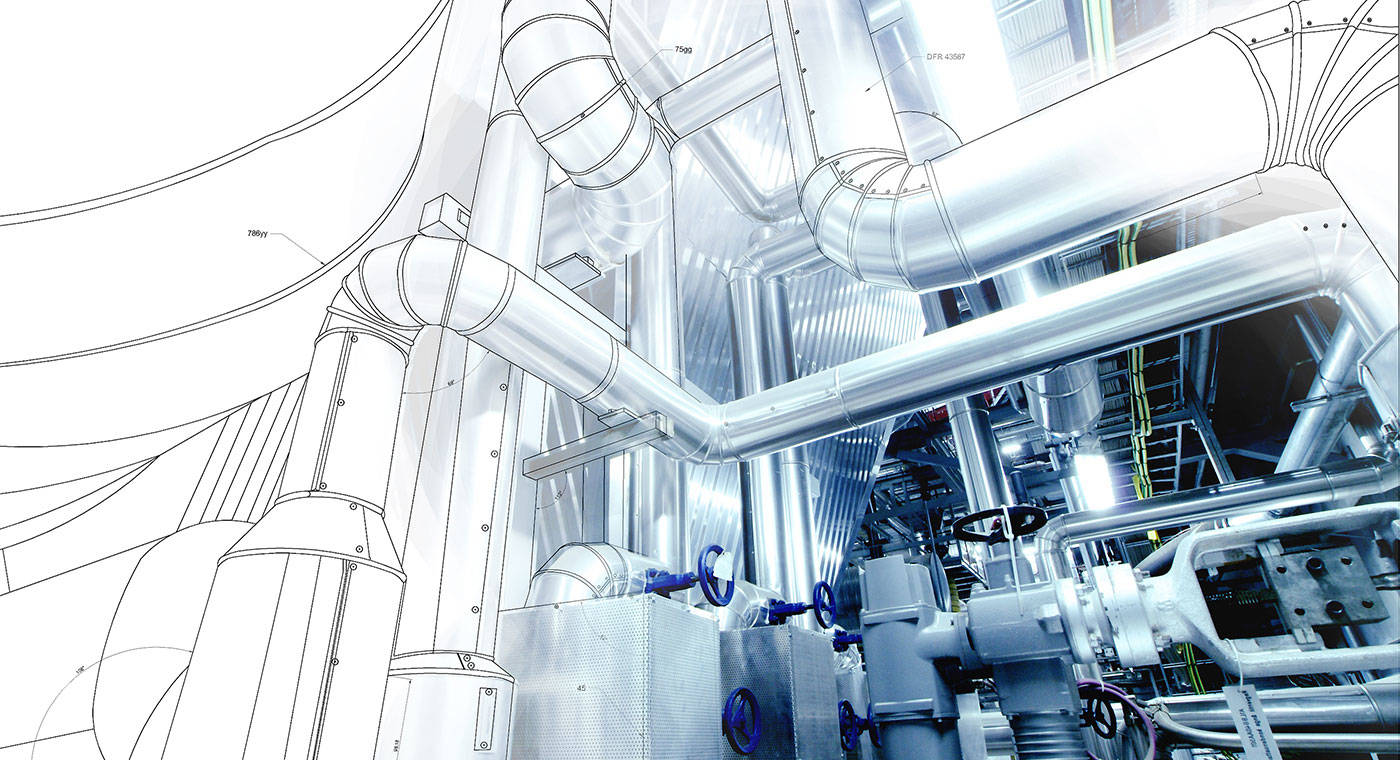
Em setores de alto risco, uma única decisão equivocada pode gerar consequências que vão muito além de orçamentos e cronogramas. Os gestores de instalações conhecem essa realidade de perto. Conversamos recentemente com Jerry Hardy Sr., ex-gestor de uma planta de gás natural liquefeito (GNL), que destacou que sua missão principal não era aumentar os lucros. Em vez disso, seu foco diário estava na prontidão operacional, na manutenção preventiva, na segurança e no cumprimento das diretrizes regulatórias. Para ele, órgãos reguladores como o DOT (Department of Transport) e a NFPA (National Fire Protection Association) não eram apenas exigências, mas salvaguardas baseadas em experiência real e em riscos elevados.
Ao longo de sua extensa carreira, Jerry transitou entre os mundos analógico e digital, testemunhando em primeira mão as mudanças significativas no gerenciamento de instalações. Ele vivenciou uma mudança notável em precisão e diligência dentro de uma profissão que já é fortemente regulamentada e focada em conformidade. Assim como muitos de seus colegas, ele observou a transição de métodos tradicionais, como o uso de pranchetas e anotações em desenhos, para soluções digitais modernas e abordagens baseadas em dados. Essa ascensão gradual da tecnologia continuou mesmo após sua aposentadoria.
O custo da incerteza
A incerteza pode ter consequências diversas, dependendo do tipo de instalação. Em fábricas industriais, os erros podem afetar a segurança, o cumprimento das normas e a continuidade operacional. Em contrapartida, em ambientes comerciais, esses erros afetam principalmente a eficiência e os custos. Compreender essas diferenças é crucial para implementar com eficácia estratégias modernas de gerenciamento de instalações.
- Conformidade regulatória
- Documentação clara e precisa dos ativos
- Minimizar a exposição do pessoal a áreas perigosas
- Reduzindo o retrabalho e os erros causados por informações desatualizadas
- Dados espaciais e plantas baixas precisos
- Registros de ativos centralizados e acessíveis
- Utilização e planejamento eficientes do espaço
Instalações de alto risco
Em setores de alto risco, como petróleo, gás ou produtos químicos, uma única válvula não documentada ou uma medição não realizada em tubulações pode introduzir riscos que podem não ser imediatamente visíveis, mas que podem ter um impacto duradouro. Os gestores de instalações devem priorizar estes pontos:
Imóveis comerciais e grandes portfólios
Em ambientes de menor risco, como construções de escritórios e centros comerciais, a incerteza ou a documentação desatualizada podem impor um ônus financeiro significativo. Os gerentes de instalações podem levar em conta:
O tema comum é que, tanto em instalações de alto risco quanto nas comerciais, ter dados precisos e acessíveis melhora a tomada de decisões mais inteligentes, rápidas e seguras, além de aumentar a responsabilidade.
Por que a documentação legada é insuficiente em instalações modernas
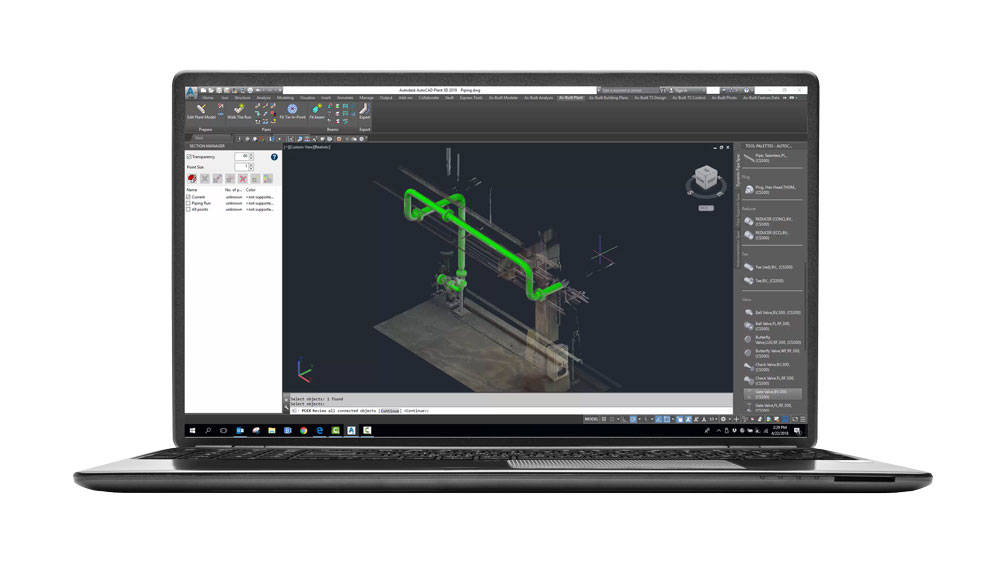
Uma fonte significativa de incerteza no gerenciamento de instalações é o erro humano e o uso de dados não objetivos. No passado, medições manuais, diagramas desenhados à mão e documentação fragmentada eram práticas comuns. No entanto, as instalações atuais têm acesso a opções mais confiáveis. Os gestores de instalações devem garantir que suas decisões sejam baseadas em dados objetivos, minimizando o risco de erro humano. Embora a tecnologia não elimine todos os erros humanos, ela ajuda eficazmente a reduzir essa lacuna.
Como a documentação a partir de dados 3D está redefinindo a inteligência de instalações
Qual é a solução? O moderno gerenciamento de instalações depende de uma variedade de tecnologias para aumentar a precisão, a eficiência e a colaboração. O surgimento dos scanners a laser terrestres, do mapeamento móvel e da colaboração em nuvem criou métodos rápidos e ágeis para a captura de grandes quantidades de dados precisos. Essas tecnologias estão trabalhando cada vez mais em conjunto, dando suporte a cada etapa do processo, desde a captura de dados até os deliverables finais.
A captura da realidade tornou-se uma ferramenta essencial para os gestores de instalações, permitindo-lhes obter as informações necessárias de forma rápida e regular, com um alto grau de precisão. Além disso, permite que eles demonstrem objetivamente os motivos por trás de suas decisões e apresentem documentação atualizada para fins de conformidade. Embora seja apenas uma das muitas tecnologias disponíveis, seu impacto na redefinição do gerenciamento de instalações é significativo.
- Dados confiáveis e altamente precisos para documentação e auditorias de conformidade
- Registros digitais que representam o estado real da instalação
- Tempo reduzido em áreas de risco com a Flash Technology, em comparação com dispositivos similares
- Dados para gerar as-builts precisos para engenheiros, minimizando retrabalhos.
- Cobre áreas maiores ou de difícil acesso
- Maior velocidade ao capturar para scans regulares e dados atualizados
- Interrupção mínima ou inexistente nos espaços de trabalho
- Permite documentação rápida e segura em zonas onde laser scanners não são permitidos.
- Oferece um contexto claro e panorâmico para planejamento, comunicação e análise remota.
- As imagens podem ser usadas juntamente com dados 3D em um software de colaboração em nuvem, como a plataforma Sphere XG.
- Processamento automatizado na nuvem, enquanto você ainda está em campo
- Nuvem de pontos visual e imagens para todos os que têm acesso
- Capacidade de anotar e fazer apontamentos nos dados
- Integração com software de terceiros para entregar um produto final
Scanner terrestre FARO Focus Laser
O FARO Focus oferece precisão em nível milimétrico, tornando-o ideal para ambientes densos ou complexos, como salas mecânicas, corredores de tubulação e layouts de escritórios.
FARO Orbis Premium
Uma abordagem moderna para o LiDAR é a solução de mapeamento móvel, FARO Orbis Premium. O Orbis melhora a captura de dados em larga escala em áreas de produção, armazéns e edifícios comerciais.
Captura de Fotos 360o
Em ambientes de risco extremamente alto dentro de uma fábrica, onde pode não ser seguro passar períodos prolongados ou onde o equipamento é altamente sensível a faíscas estáticas, é aconselhável usar uma solução padrão de captura de fotos em 360 graus.
FARO Sphere XG
A Sphere XG oferece processamento e colaboração automáticos baseados em nuvem para usuários que precisam ver ou comentar dados da nuvem de pontos. Também permite modificações nos deliverables e oferece a capacidade de fazer o link com software de terceiros para concluir o fluxo de trabalho.
Um mundo mais seguro e certo para operações de instalações
Jerry recorda com carinho e orgulho sua longa carreira, consciente de que seus esforços garantiram a manutenção segura das fábricas de GNL. Essas fábricas estavam sempre preparadas para distribuir gás natural por meio das tubulações, fornecendo aquecimento durante os meses de inverno para centenas de milhares de residências na região de New England. Os rápidos avanços na tecnologia podem, por vezes, parecer uma mudança em relação aos métodos tradicionais. No entanto, essas inovações são cruciais para manter a prontidão operacional, ao mesmo tempo em que se cumprem os protocolos de segurança em um ambiente que, de outra forma, seria perigoso.
Tecnologias como escaneamento a laser 3D, captura de fotos em 360 graus e colaboração na nuvem exemplificam progresso ao aproximar as pessoas do processo de tomada de decisão e avançar essa importante missão.
Se Jerry ainda estivesse atuando na área de gestão de instalações, ele teria interesse em soluções de realidade digital e na vasta quantidade de dados que elas fornecem? Fizemos essa pergunta a ele e recebemos uma resposta categórica: "Sem hesitar."