I progetti infrastrutturali oggi sono più complessi che mai. I professionisti del rilevamento sono sotto pressione per mantenere il lavoro nei tempi previsti e mitigare i problemi a valle fornendo dati rapidi, precisi e affidabili.
Con sfide come normative più severe in materia di sicurezza e ambiente, un maggiore controllo da parte degli stakeholder, una maggiore portata dei progetti, nonché costi elevati e carenza di manodopera, i team di rilevamento hanno un compito arduo da affrontare. Al centro di tutto c'è l'elemento fondamentale su cui questi team fanno affidamento: rilievi infrastrutturali affidabili che consentano di prendere decisioni consapevoli.
In che modo i rilievi di infrastruttura accurati generano risparmi sui costi?
I rilievi infrastrutturali forniscono i dati spaziali e le informazioni necessarie per progettare, pianificare ed eseguire i progetti. Quando questi dati sono accurati, i vantaggi si percepiscono immediatamente durante l'intero ciclo di vita del progetto. Dalla riduzione dei costi imprevisti grazie all'eliminazione delle rilavorazioni, all'eliminazione dei rischi per la sicurezza e delle inefficienze operative, i dati di rilevamento di alta qualità consentono di individuare tempestivamente problemi che spesso risultano difficili e costosi da risolvere.
Rilievo infrastrutturale: che cos'è e perché la precisione è fondamentale?
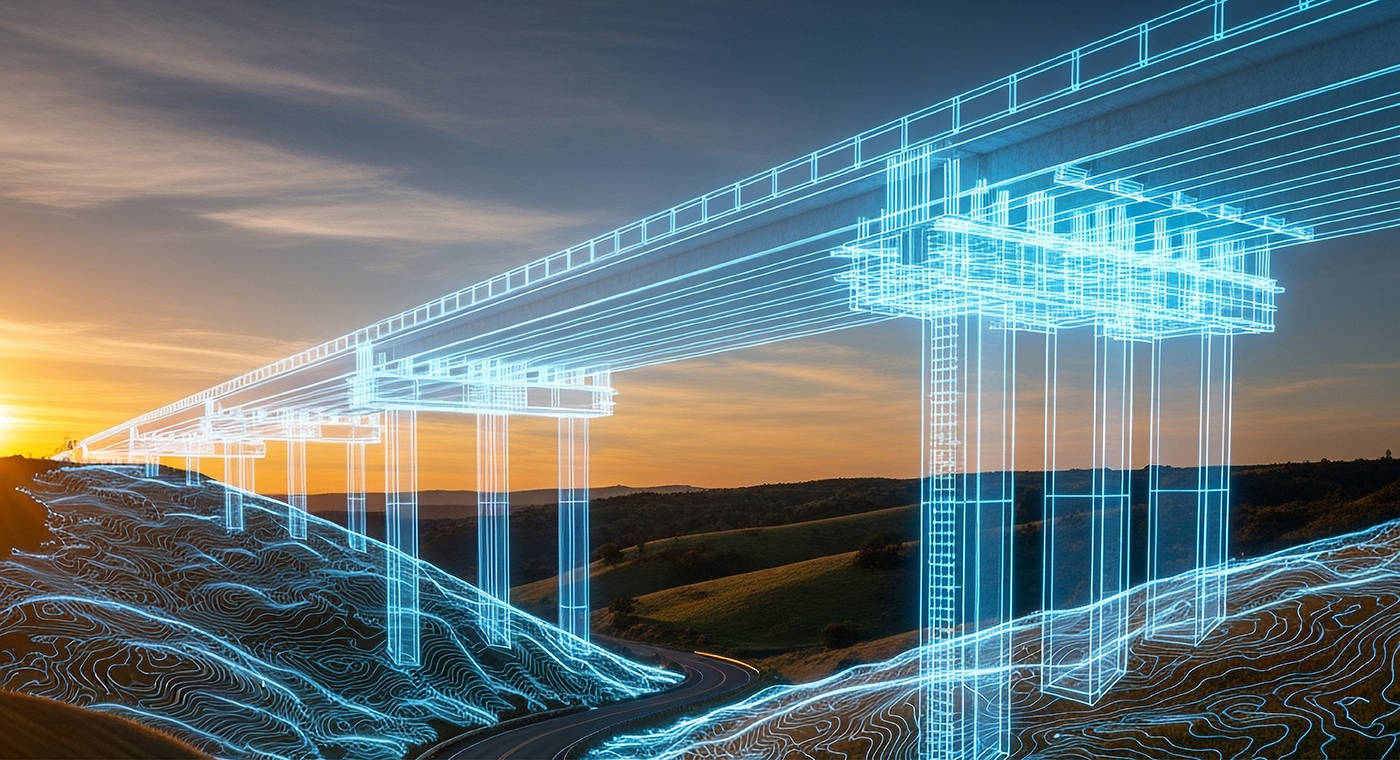
Un rilevamento infrastrutturale è il processo di raccolta di dati spaziali precisi per supportare la pianificazione, il design e la costruzione di infrastrutture quali strade, ponti, ferrovie e reti di servizi. Svolge un ruolo cruciale nella mappatura delle strutture esistenti, nella guida alla costruzione e nella gestione a lungo termine degli asset.
In passato, i dati di rilevamento dell'infrastruttura venivano raccolti principalmente utilizzando metodi manuali e linea di vista, come stazione totale, nastri, livelle e apparecchiature GPS. I geometri si spostavano fisicamente attraverso i siti per acquisire singoli punti dati, spesso richiedendo diverse configurazioni per coprire aree più grandi o più complesse. Di conseguenza, l'acquisizione di informazioni complete sul sito poteva richiedere giorni o addirittura settimane, e qualsiasi dato mancante o impreciso spesso comportava il ritorno al sito per ulteriori misurazioni.
La precisione è particolarmente importante nelle fasi iniziali di un progetto perché ogni decisione a valle si basa sull'integrità di quei dati iniziali. Ad esempio, un piccolo errore di calcolo nell'elevazione o nell'allineamento può comportare errori di progettazione, spreco di materiale e ritardi nella costruzione. Nel tempo, risolvere questi problemi diventa oneroso, ed è per questo che dati accurati non sono solo un requisito tecnico, ma una necessità strategica.
Quanto costano davvero le indagini infrastrutturali imprecise?
- Le squadre potrebbero dover rivisitare i siti più volte.
- L'apparecchiatura potrebbe rimanere inattiva mentre si risolvono i problemi.
- Le squadre potrebbero dedicare ore alla riconciliazione di set dati incoerenti.
- Riduzione dei revisits del sito per verificare o correggere le misurazioni.
- Migliore allineamento tra i diversi team e gli stakeholder.
- Meno ritardi nel processo decisionale grazie a una panoramica completa delle stesse informazioni.
Implicazioni finanziarie
Uno degli impatti più immediati dei dati di rilevamento imprecisi è finanziario, ma il costo reale spesso va oltre ciò che è visibile nel bilancio di un progetto.
Dati imprecisi portano spesso a rilavorazioni, come la riprogettazione dei piani, la rimisurazione dei siti e la correzione degli errori di costruzione. Queste attività consumano manodopera aggiuntiva, allungano le tempistiche e aumentano l'utilizzo delle apparecchiature. In alcuni casi, possono persino portare a controversie contrattuali o penali per il mancato rispetto delle scadenze.
Ci sono anche costi nascosti associati a dati di scarsa qualità. Ad esempio:
Queste inefficienze si accumulano rapidamente, erodendo la redditività.
Rischi per la sicurezza
Oltre alle implicazioni finanziarie, i rilievi precisi riducono anche i rischi per la sicurezza, in particolare nei cantieri edili.
Dati di rilevamento completi e corretti aiutano a rilevare i pericoli, creando condizioni di lavoro più sicure, una migliore pianificazione e riducendo l'esposizione per le squadre sul campo che operano in ambienti ad alto rischio. Ad esempio, disporre di dati esaustivi su terreno, strutture o sottoservizi riduce le supposizioni rischiose durante la costruzione, impedendo alle squadre di lavorare inconsapevolmente in prossimità di terreni instabili o ostacoli non segnalati.
Un rilevamento accurato riduce anche la necessità di ripetute visite in loco e consente di svolgere più lavoro da remoto, minimizzando il tempo trascorso in condizioni pericolose e migliorando la sicurezza generale del sito in conformità con le normative di sicurezza governative come OSHA.
Perdite di efficienza
I rilevamenti accurati delle infrastrutture aumentano anche l'efficienza. Dati di rilevamento di qualità consentono:
Il software di rilevamento moderno e i flussi di lavoro completamente connessi affrontano efficacemente la sfida dei silos, creando un ambiente in cui le informazioni sono coerenti e complete. Il risultato è un ciclo di vita del progetto agile e unificato, in cui i team dedicano più tempo a essere proattivi anziché reattivi.
Sviluppo di un preciso flusso di lavoro per il rilievo di infrastruttura
Comprendere le cause profonde delle imprecisioni è il primo passo per migliorare i risultati del rilevamento. Ecco le aree chiave dove i miglioramenti possono portare a rilievi infrastrutturali più accurati e affidabili:
Aggiornamento a Strumenti di Rilievo topografico Moderni
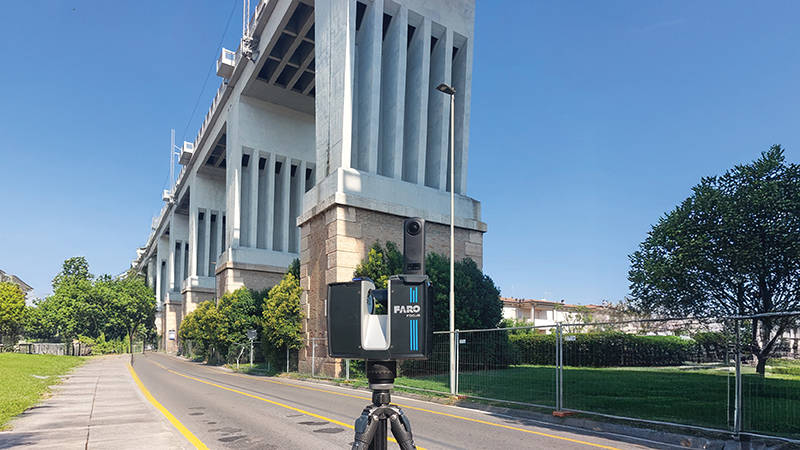
Gli attuali strumenti advanced di Rilievo topografico sono progettati per precisione, velocità e scalabilità, consentendo ai team di acquisire dati di qualità superiore in meno tempo. Moderne soluzioni di rilevamento, come quelle offerte da FARO INSIGHT, forniscono gli strumenti per acquisire i dati, i mezzi per elaborarli automaticamente e i modi per ricavare informazioni significative dalla mole di informazioni.
Adattamento alle sfide ambientali
Quando si opera in ambienti diversi, le soluzioni su misura per quel caso d'uso specifico aiutano a garantire una raccolta dati coerente e di alta qualità. Ad esempio, considera l'intervallo di scanner di FARO INSIGHT, che coprono un'ampia varietà di contesti.
Per ambienti altamente complessi che richiedono la massima precisione, la scansione laser terrestre (TLS) offre una raccolta dati dettagliata e ad alta precisione. Quando velocità e copertura sono critiche, come nei grandi corridoi infrastrutturali, la scansione laser mobile (MLS) consente una rapida raccolta dati su vaste aree. La scansione laser per imaging (ILS), invece, fornisce dati visivi di alta qualità, il che la rende ideale per un monitoraggio frequente dei progressi e per una documentazione chiara.
In sintesi:
| Tipo di ambiente | Migliore metodo di rilevamento | benefit |
|---|---|---|
| Aree complesse e di alta precisione | Scansione Laser Terrestre (TLS) | Massima precisione |
| Ampi corridoi | MLS (Mobile Laser Scanning) | Velocità e copertura |
| Documentazione frequente | Imaging Processo di scansione laser (ILS) | Chiarezza visiva |
Connettere i flussi di lavoro con software di rilevamento integrato
Le piattaforme software integrate per il rilevamento creano un'unica fonte di riferimento: una fonte di informazioni affidabile con dati aggiornati in base alle più recenti acquisizioni del sito. Questo semplifica il modo in cui i dati vengono elaborati e condivisi, aiutando i team a ridurre le incongruenze e a migliorare la collaborazione. Il software che coesiste nello stesso ecosistema digitale, come FARO Sphere XG, contribuisce a ridurre gli errori e a migliorare la collaborazione tra i team.
È la precisione un vantaggio competitivo?
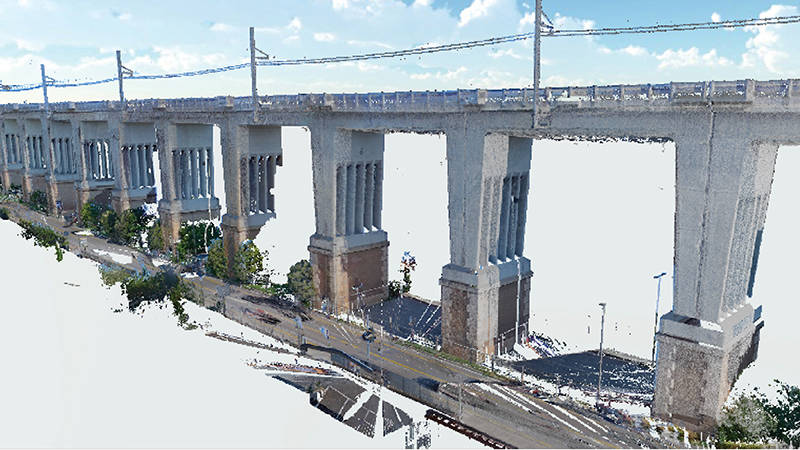
Rilievi infrastrutturali precisi riducono le perdite finanziarie, i rischi per la sicurezza e le inefficienze operative, il cui impatto si fa sentire in ogni fase. Consente decisioni migliori, migliora la sicurezza e garantisce che i progetti vengano completati in tempo e nel rispetto del budget, offrendo un chiaro vantaggio competitivo.
Man mano che i progetti infrastrutturali continuano a crescere in complessità, la necessità di precisione non farà che aumentare. Investire in soluzioni di rilevamento accurate e affidabili non significa solo evitare problemi, ma anche posizionare il tuo team per il successo a lungo termine. FARO INSIGHT offre una tecnologia geospaziale innovativa che supporta il successo a lungo termine rendendo il tuo lavoro più facile, veloce e preciso.
Dai un'occhiata alla nostra infografica sull'acquisizione della realtà applicata ai rilievi infrastrutturali per scoprire altri modi in cui puoi ottimizzare i tuoi flussi di lavoro di rilevamento delle infrastrutture e ottenere una maggiore efficienza.